



Navigating relationships is no easy feat for anyone, whether it’s family, friends, colleagues, or romantic partners. But when neurodivergence is part of the picture, things can feel more complex.
That’s because many social interactions rely on unspoken rules, things like tone, timing, and facial expressions, that neurodivergent people might interpret or express differently. For some, this can mean constantly second-guessing what others mean or worrying about how they come across. For others, it can mean feeling misunderstood or unseen, even when their intentions are genuine.
Let’s be honest: most people follow a “social script” without even realising it. But neurodivergent communication doesn’t always fit that script, and that’s okay.
Why Relationships Feel Different for Neurodivergent People
Neurodivergent people (including those with ADHD, autism, dyslexia, dyspraxia, or other conditions) often process and express information in unique ways. This can shape how we connect with others in several areas:
-
Communication styles: Some people may speak directly and focus on facts, while others may rely more on tone or body language. Misunderstandings can happen when these styles clash.
(Read more on social communication from the National Autistic Society ). -
Sensory needs: Loud, busy, or emotionally charged environments can make connection harder for some and comforting for others.
-
Energy differences: Social interactions may energise one person and drain another, especially for those who mask their traits to “fit in.”
-
Emotional regulation: Strong emotions or delayed responses can be misread, leading to assumptions that someone doesn’t care or isn’t listening, when really they’re processing deeply.
The key is recognising that difference isn’t difficulty, it’s simply diversity in action.
How to Navigate Relationships More Authentically
1. Communicate Openly About Needs
Being open about what helps you feel comfortable is one of the most powerful things you can do.
You might say:
“Sometimes I need extra time to process before I respond.”
“I prefer direct communication — it helps me feel clear and calm.”
Honest communication can prevent resentment and confusion on both sides. You don’t have to over-explain your neurodivergence; focus on what helps you connect best.
(See ADDitude’s guide on ADHD and relationships for examples of clear communication tools.) https://www.additudemag.com/category/relationships/
2. Learn Each Other’s Cues
We all show care and attention in different ways. For one person, it’s frequent texts. For another, it’s quiet time together. Learning each other’s “connection languages” helps reduce assumptions.
Tip: Make this a mutual conversation, not a one-sided effort on your part. Relationships thrive on understanding, not correction.
3. Respect Sensory and Emotional Boundaries
 If specific environments or situations are overwhelming, it’s okay to set boundaries. You could suggest alternatives like:
“Can we meet somewhere quieter?” or “I might need a short break halfway through.”
Respect goes both ways; your comfort matters as much as anyone else’s.
4. Unlearn the Pressure to “Mask”
Many neurodivergent people have spent years hiding parts of themselves to appear “normal.” But masking is exhausting, and over time, it can harm emotional well-being.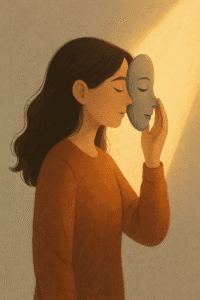
Building relationships where you can drop the mask, even just a little, is life-changing. The right people will want you, not the filtered version.
(Related: Rewrite Your Dyslexia Story — about embracing your true self beyond expectations.)
5. Accept That Not Everyone Will Understand, and That’s Okay
Some people will connect deeply, and others won’t. That’s part of being human, not a reflection of your worth. The goal isn’t to be universally understood; it’s to find those who appreciate your way of being.
If emotional sensitivity is something you’re working on, keep an eye out for my upcoming blog on Emotional Regulation in Neurodivergence, where I’ll explore this in more depth.
The Takeaway
Relationships are built on trust, communication, respect, and neurodivergent relationships are no different. What changes is how those things are expressed.
You don’t need to learn someone else’s “rules” to belong. Instead, focus on creating connections that feel safe, mutual, and real.
When we learn to communicate our needs without shame, the right people will meet us halfway, and those are the relationships worth keeping.

Sabine,
The Dyslexia Coach